


















Know what is happening across your business, and act on it in time.

Laagom is an AI-native design and engineering studio. We learn how your organisation works, build or connect the systems it runs on, and deploy AI where it improves decisions.

Most businesses already use AI in some form. Few have connected it to how the business runs. The information it needs sits in separate tools and with a few people, so it has little to work from.

  • AI is used one person at a time.

    People use chat assistants for emails and summaries. The work itself, and the systems it runs on, stay as they were.

  • The data is in several places.

    Sales, stock and finance are kept in separate tools, so a full picture of the month takes days to put together.

  • Knowledge sits with a few people.

    Much of how the work gets done is not written down. When those people are away, the work slows down.

Three common starting points.

Most of the businesses we work with begin from one of these. The first step depends on which one.

Today
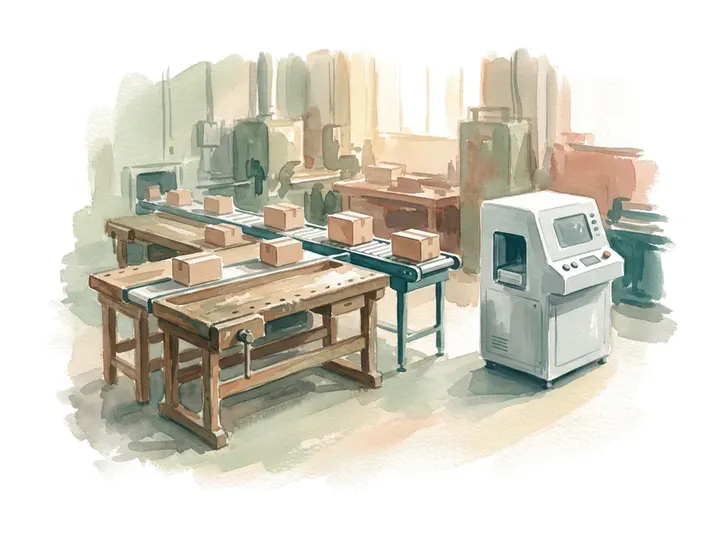
Orders, stock and status are tracked by hand and confirmed by asking. It works at the current size, and gets harder with each new customer or hire.
First step
We document how the work is actually done, then build one system around it.
  1. Outcome. Orders, stock and status in one place, current for everyone who needs them.

  2. Outcome. Routine questions answered from live data, and exceptions flagged without anyone having to look for them.

  3. Outcome. AI working inside your systems, on your own data, with a result you can measure.

The work happens in four stages. Most businesses are partway along.

Knowing which stage you are at shows what to do next, and what can wait.

  1. Information is spread across files, messages and a few people's memory.

    We document how the work is done, including what only a few people know.

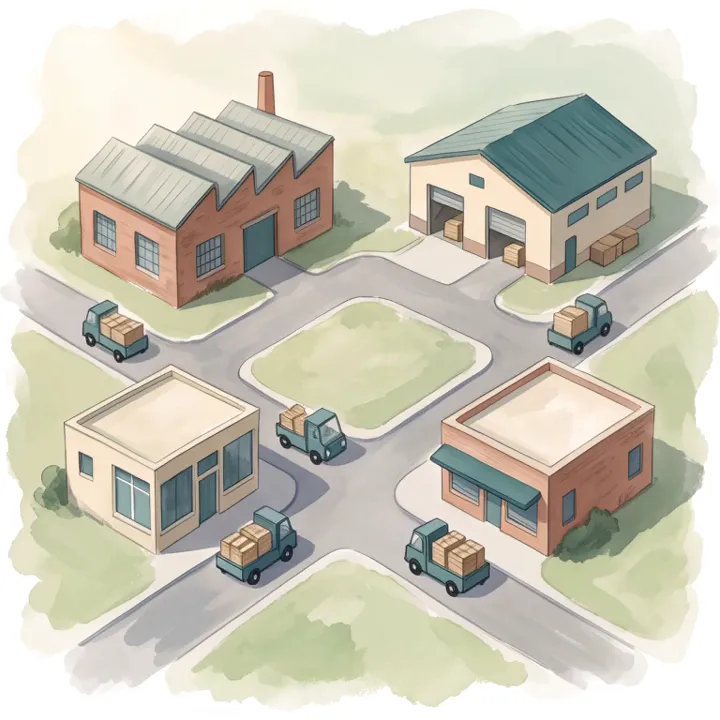
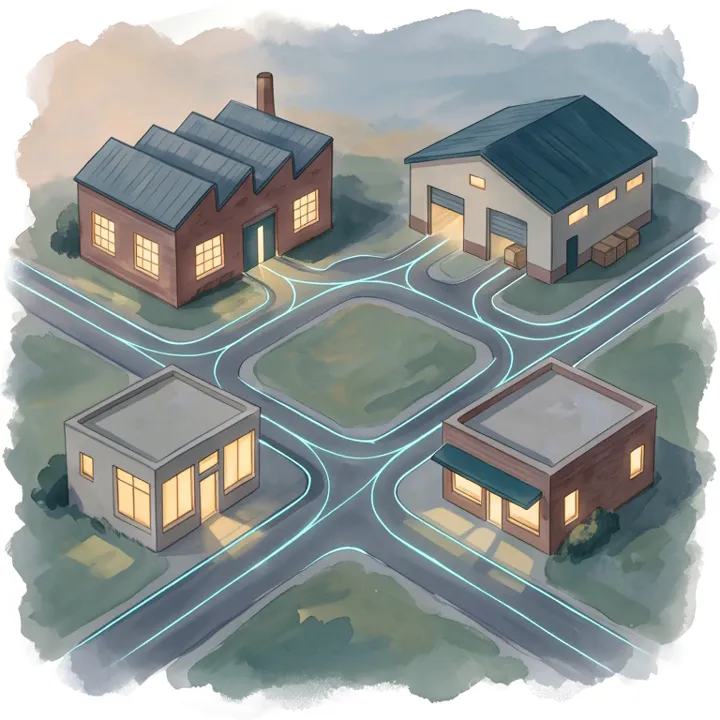
  2. Each team works in a proper system, and the systems share one set of data.

    We build or connect a system for each team, all sharing one set of data.

  3. AI agents handle the routine work, and a person signs off on anything important.

    AI agents take on routine tasks. People approve anything that matters.

  4. The numbers stay current, so problems are visible while there is still time to act.

    Reports stay current, so a problem shows up in the week it happens, not at month end.

What usually changes first, a few examples.

Select one to see it, or let them play in order.

How we work

An engineer who works with your team, and a product team behind them.

In our experience, projects go wrong less often in the code than in between: a request lost after a call, a decision nobody recorded, a problem raised only at the next review. To avoid that, every client works with us through our own portal.

  • An engineer with your team

    One of our engineers works alongside your people: setting things up, training them, loading the first real data, and reporting back on how it is used.

  • Design and engineering in-house

    The people who design and build the software are the people responsible for it. No work is subcontracted.

  • Fewer meetings

    Requests, decisions and progress are recorded in one place. That replaces most status calls, and the time goes into the work, which also keeps the monthly cost lower.

  • Measured by use

    We don't measure progress in screens or features. We stay after launch, and consider the work done when your team relies on it.

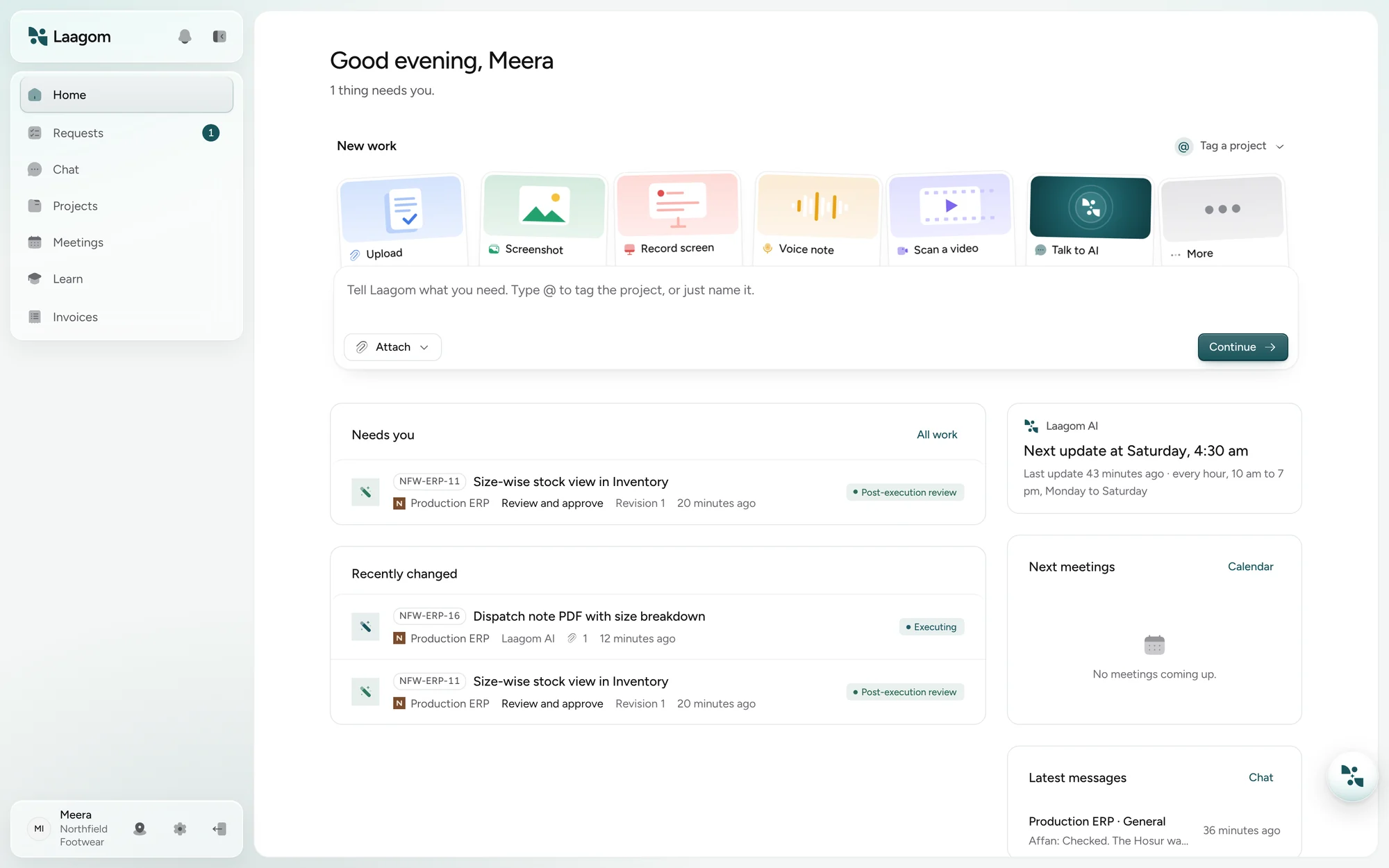
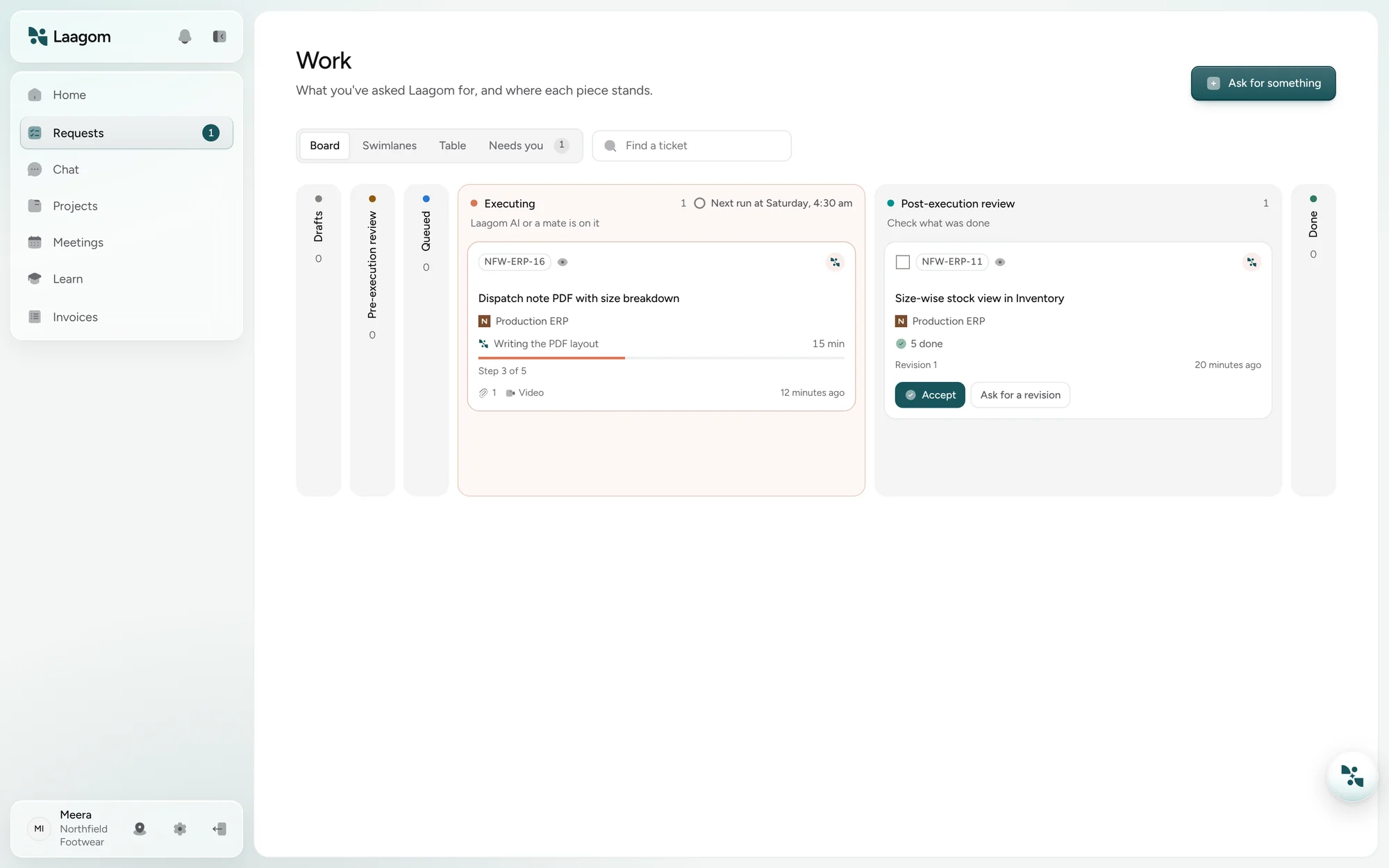
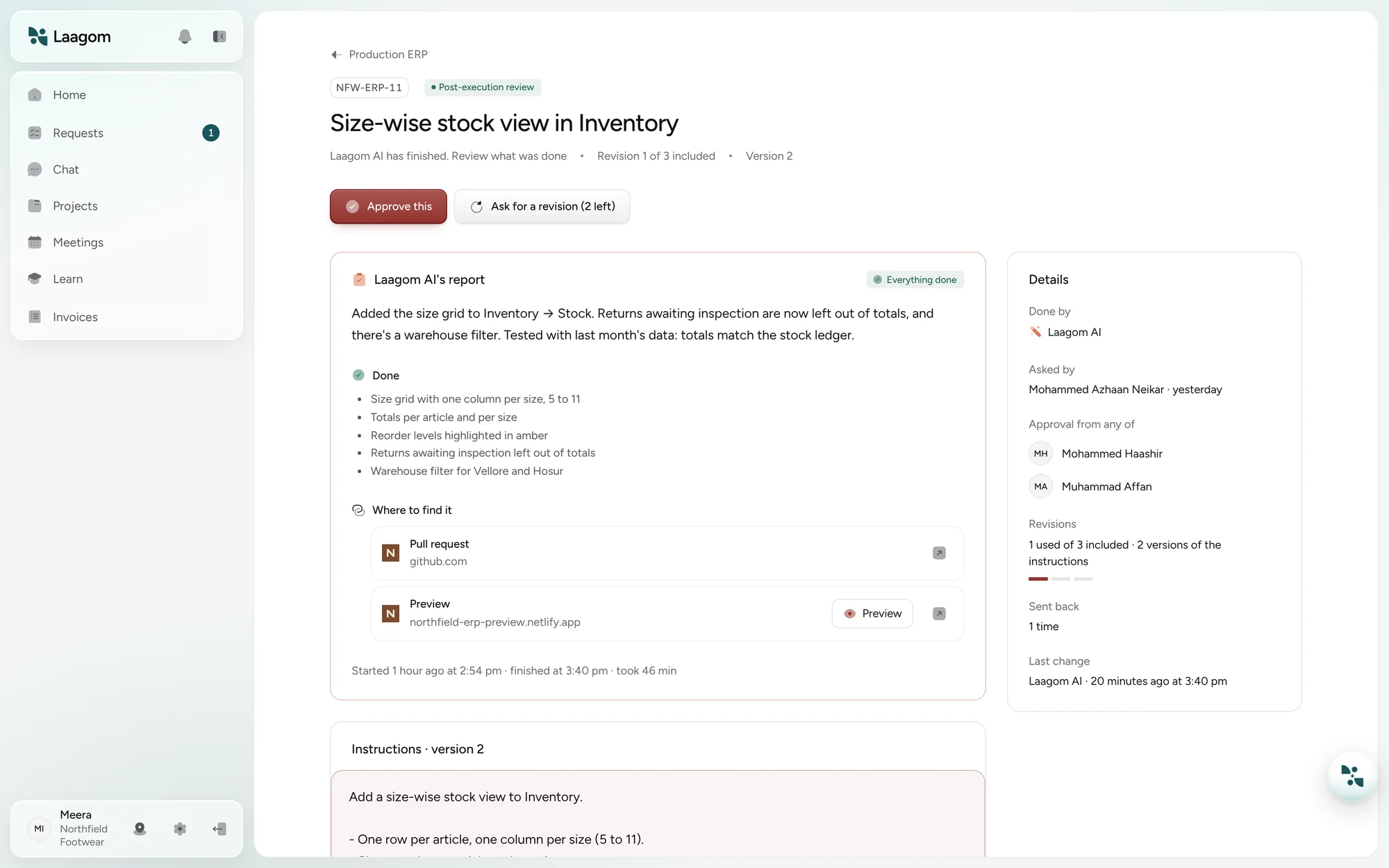
The Laagom portal home for a client: a box for new work with options to upload, record the screen or leave a voice note, and the requests waiting on them

Screens from the Laagom portal, shown with an invented client.

Keep what works, build what is missing.

Before building anything, we review the tools you already pay for. Where one does the job, we connect it. We write new software only where nothing fits, since each new system is one more thing for the team to learn.

  1. 1Map how the work moves today
  2. 2Connect the tools that already do the job
  3. 3Build what is missing, and add AI where it saves time

Hover over a system to see how it connects

Individual services are available too.

Some clients come to us only for a website or an app. For others, it is the first part of a larger project.

  • Web and mobile apps

    Websites, internal tools, and iOS and Android apps.

  • UX and UI design

    Research and interfaces built for daily use.

  • Graphic design

    Brand identity, presentations, print and campaigns.

  • Content development

    Website copy, articles, product content and scripts.

  • Social media

    Planning, production, publishing and reporting.

Selected work.

Recent projects, described as we found them. Client names are withheld, and some of the work is ongoing.

1 / 3
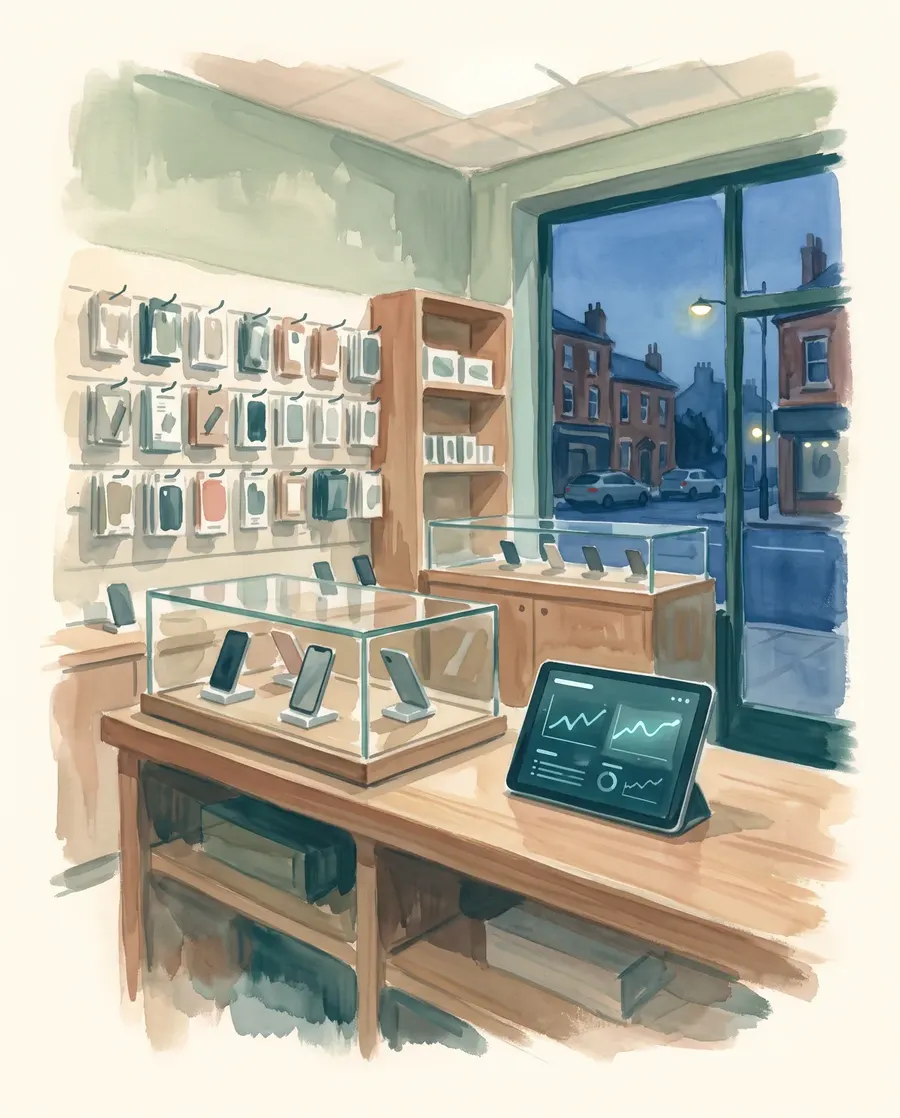
A painting of a mobile phone store at dusk, with a tablet on the counter showing the store's figures

Data platform, AI, ongoing support

Every store's numbers in one place, and an AI that can read them

A dealer for a national wireless carrier, with a large network of phone stores.

Situation
Money came in from many sources, each in its own format. Every month someone rebuilt store performance across spreadsheets and dashboards, and every new question from leadership meant another round of digging.
Delivered
  • One platform that pulls every source into one checked record, store by store
  • Live views by store, district and month, with full history, simple enough for anyone on the team
  • A secure link so the AI assistants the team already uses, like Claude, can answer questions from the live numbers, within each person's access
  • The data reviewed and reconciled every month
Outcome
Leadership works from one current view of the business. Questions that took days of spreadsheet work are answered directly from the platform, and problems show up while the month is still open.


Client names, logos and internal details are not shared, for any client.

How an engagement works.

There are no long contracts. You can stop after any month, and the code remains yours.

  1. First call

    Start here

    Free

    A conversation about how the business runs today, where software and AI would help, and where they would not.

    Book a free first call
  2. How you pay

    Monthly or per milestone

    A monthly retainer with a one-month minimum, or a fixed price per milestone. If you don't have a technical team, one of our engineers can work with yours each month.

  3. How it ships

    In small releases

    We use AI in our own work, so most changes take days rather than weeks. Each release is used and refined before the next one starts.

  4. Who owns it

    You, from day one

    The code and the data belong to you from the start. We continue to support and improve them, or hand over with documentation and training.

Where does your business stand?

Five short questions. The result shows which of the four stages you are at and where we would start. If you book a call, your answers are shared with us in advance.

  1. 1Disconnected
  2. 2Connected
  3. 3Assisted
  4. 4Intelligent
Question 1 of 5

What does your business do?

Questions

What business owners usually ask before starting.

  • We learn how the business runs, put the right systems in place, connect them, and then use AI where it saves time or catches problems early. We design and build it, set it up, and train your team to use it.

Ask us directlyhello@laagom.com

Tell us how the business runs today. We'll suggest where to start.

A free call with one of the founders. If software or AI is not the right answer, we will say so.

Message uson WhatsApp